Gratitude Meditation
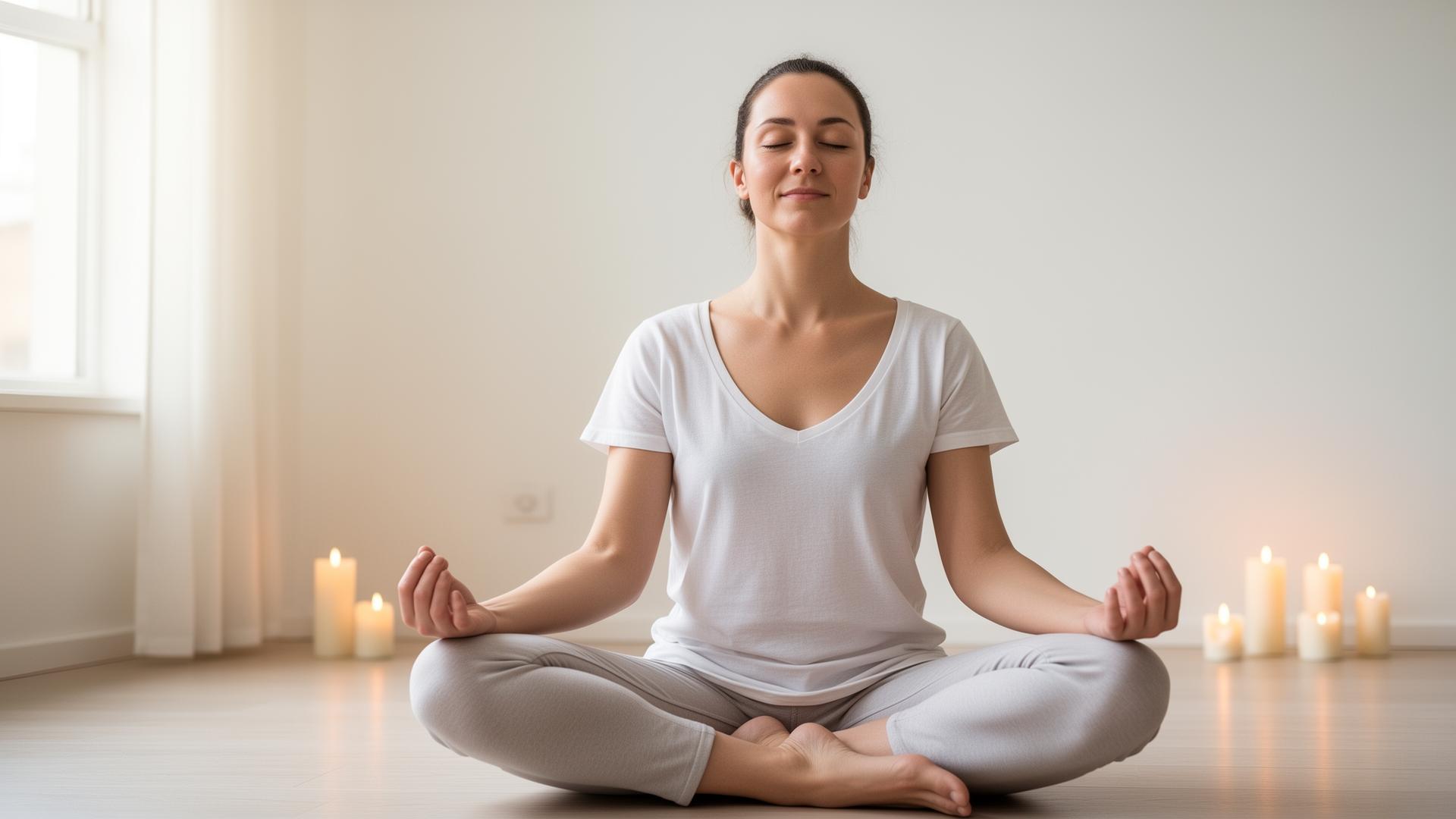
A guided 10-minute practice where you sit quietly and mentally acknowledge the blessings in your life—people, moments, abilities, opportunities.
How It Works
Close your eyes. Bring to mind someone or something you're grateful for. Feel the gratitude in your chest. Silently acknowledge it. Move to the next person or moment. The practice isn't about forcing gratitude; it's about noticing what's already there.
Why It Matters
Meditation activates specific brain regions—the ones responsible for reward, emotional regulation, and empathy. Over time, you're building neural pathways that make gratitude your default state rather than something you have to work for.
What to Expect
- Emotional softness and openness
- Reduced anxiety and worry
- Deeper sense of contentment
- Greater capacity for compassion
- A more peaceful baseline mood
Find a Practitioner
Connect with experts who specialize in this practice:
Therapovo Connection
Find meditation teachers and spiritual coaches who specialize in gratitude practices and offer guided sessions.
Share this Practice
Help others discover this wellness practice
More in Gratitude & Appreciation
The Gratitude Walk
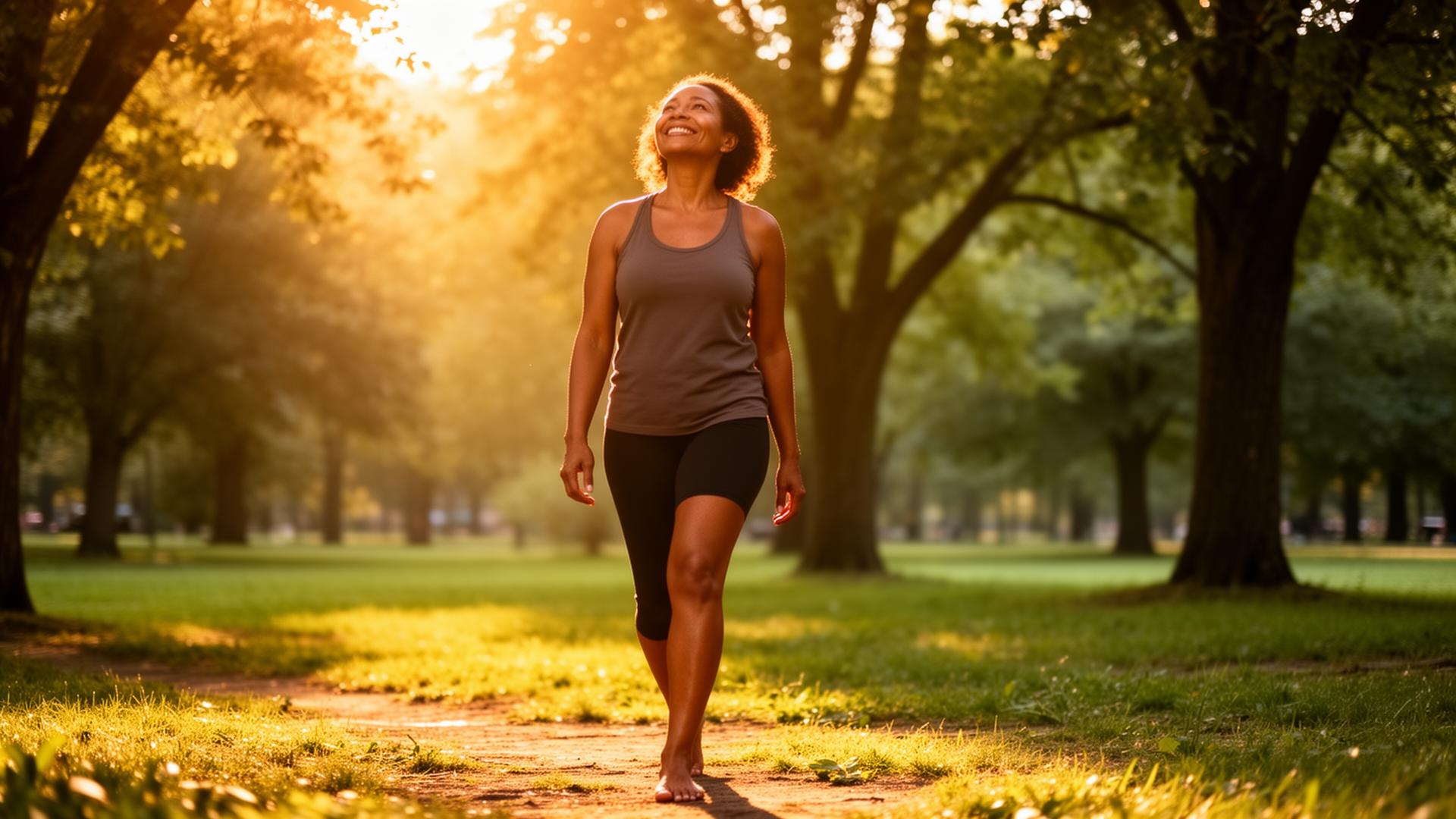
Imagine stepping outside with no rush, no agenda—just you and the world asking to be noticed. A gratitude walk isn't about reaching a destination; it's about becoming present along the way.
Daily Gratitude Journaling
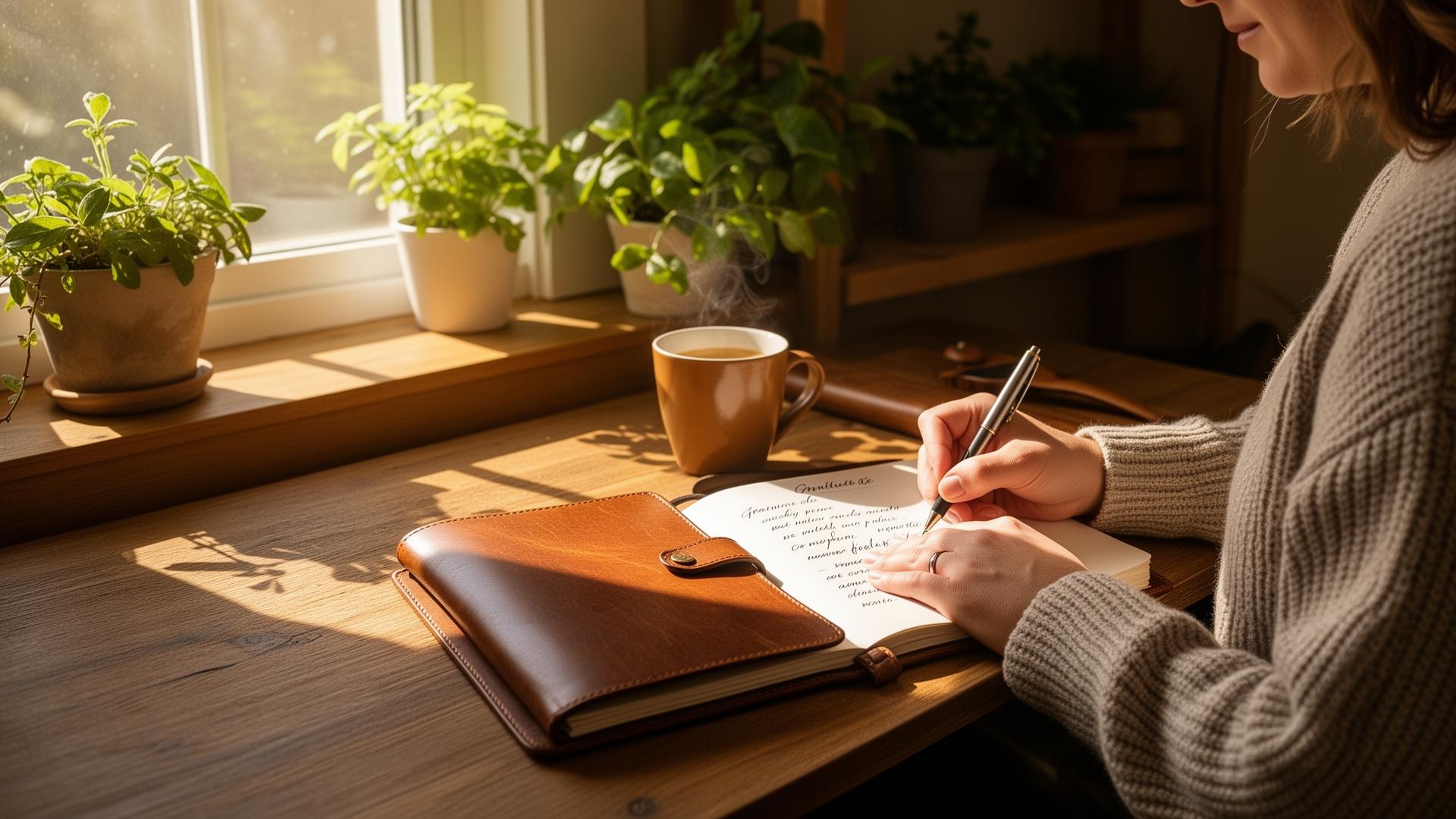
Before sleep or over morning coffee, you pause and write 3-5 things—big or small—that you're grateful for. This simple act becomes a daily ritual of abundance recognition.
Appreciation Rituals
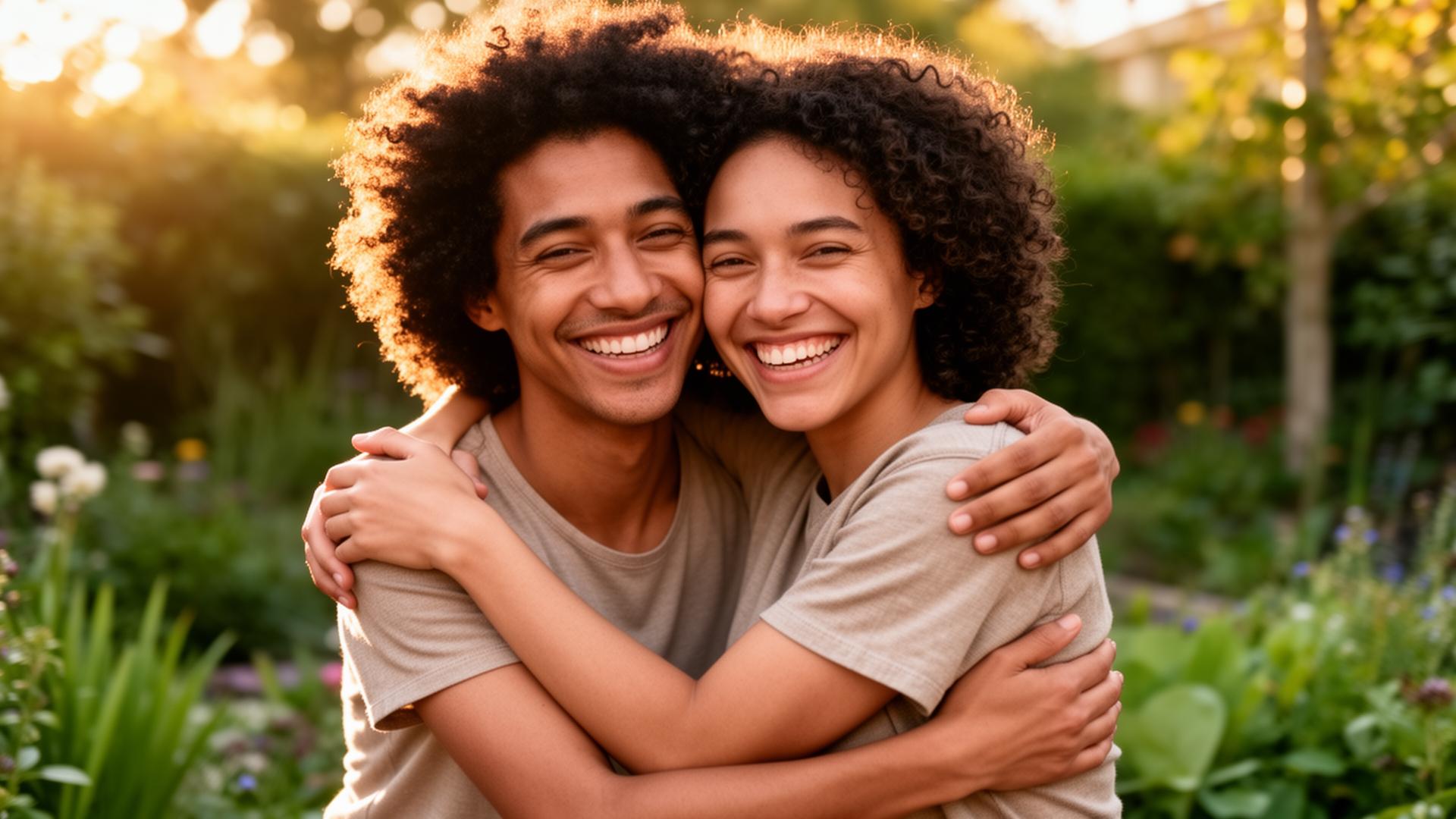
Intentional moments throughout your day when you pause and acknowledge people, moments, or experiences that added value—through spoken words, written notes, or silent reflection.
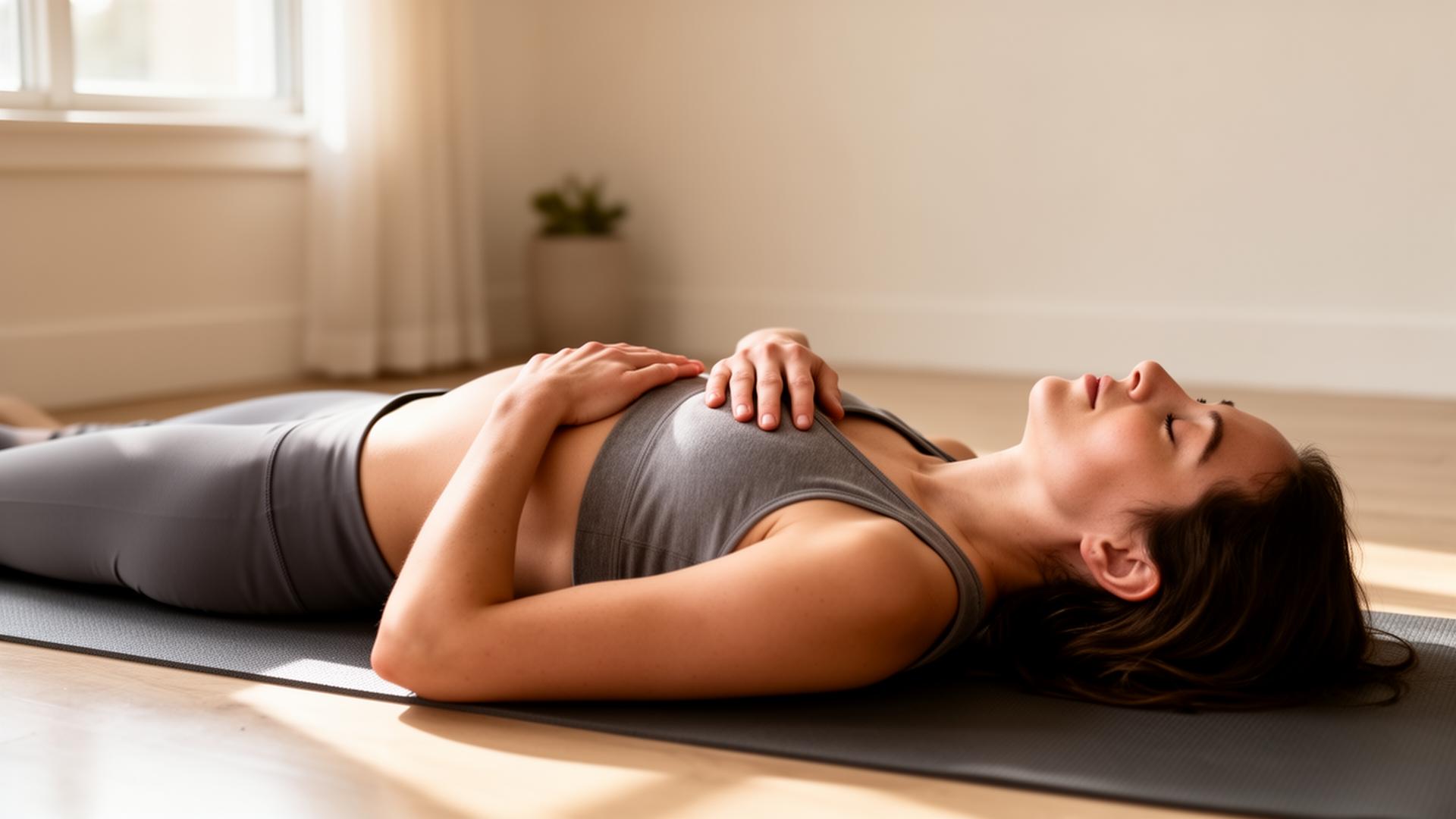
Gratitude Body Scan
A practice where you move your attention through your body, pausing to thank each part for what it does. 'Thank you, feet, for carrying me. Thank you, heart, for beating.'